Every great sushi restaurant is, at heart, a procurement operation. The chef's knife skills matter, the rice matters, the wasabi and the soy matter — but if the fish isn't right, none of it matters at all. At Naked Fish's, the day starts long before our doors open.
Before the Sun Comes Up
By 5 AM, our purchasing team is already reviewing offerings from a network of trusted suppliers across three continents. We work with fishmongers trained at Tokyo's legendary Tsukiji and Toyosu markets, sustainable fisheries in the Pacific Northwest, day-boat suppliers from the Hawaiian islands, and bluefin tuna specialists from the Mediterranean. Each shipment is inspected for color, texture, fat content, smell, and most importantly — the firmness that tells you a fish was handled correctly from the moment it left the water.
What Makes the Cut
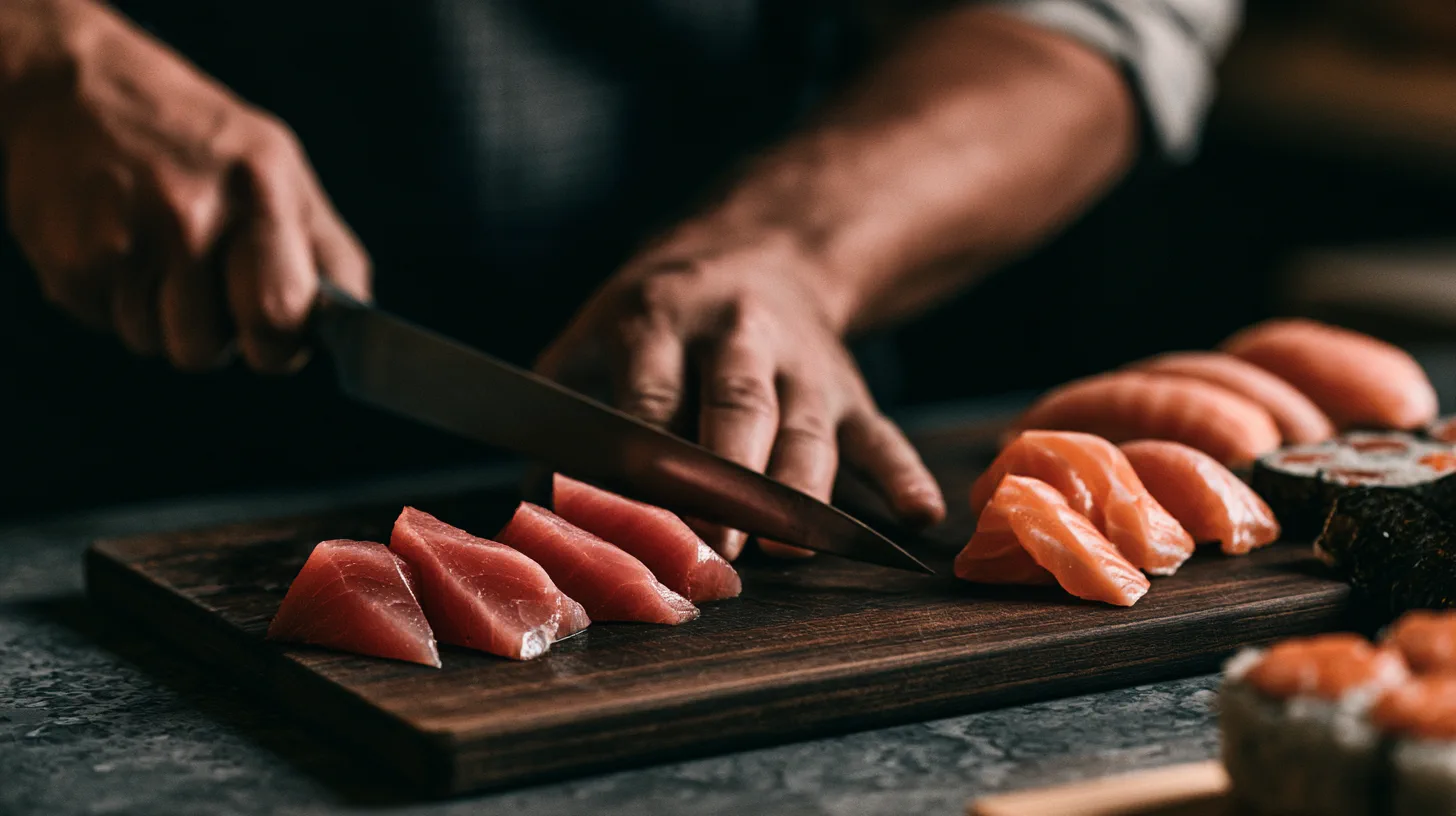
Only the top tier of every shipment makes it to our sushi bar. The rest is either sent back, used for staff meals, or composted. We have no quota to fill and no pressure to use what isn't right. That standard is what allows our chefs to confidently serve raw fish to discerning Las Vegas diners every night of the week.
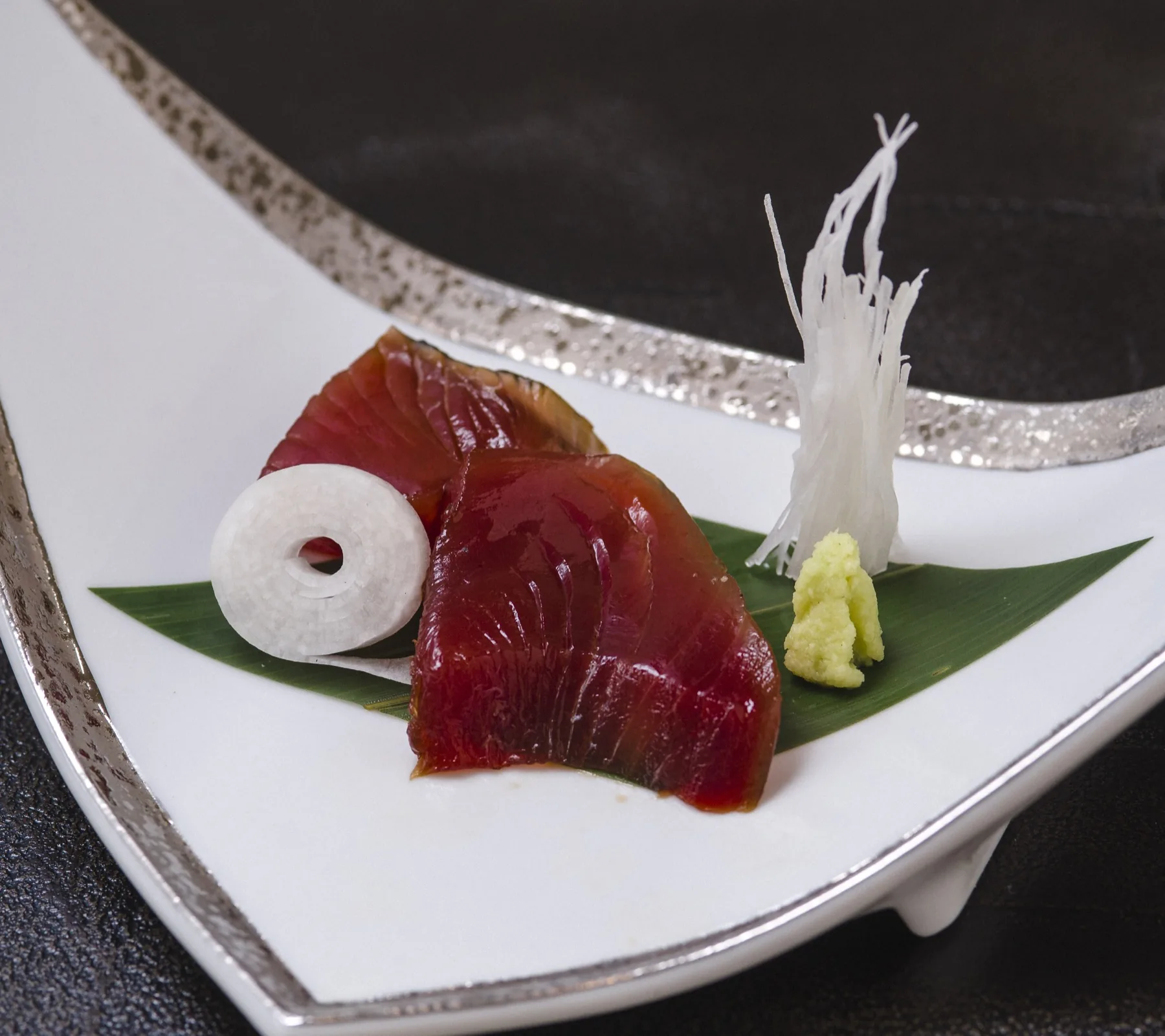
For uni, we look for bright orange-yellow color and a clean ocean smell — never any hint of ammonia. For bluefin o-toro, we want deep marbling and a rich, almost rosy hue that signals the right balance of fat. For salmon, we demand sashimi-grade fish that has been deep-frozen to FDA parasite specifications and then carefully thawed under temperature control.
Sustainability Matters
Sourcing premium fish in 2026 means more than just quality — it means responsibility. We've moved away from species under stress and built relationships with fisheries that prioritize long-term ocean health. Our Hokkaido scallops, Spanish bluefin, and Chilean sea bass all come from MSC-certified or equivalent sources. We believe the future of sushi depends on the future of the oceans.
From Sea to Sushi Bar
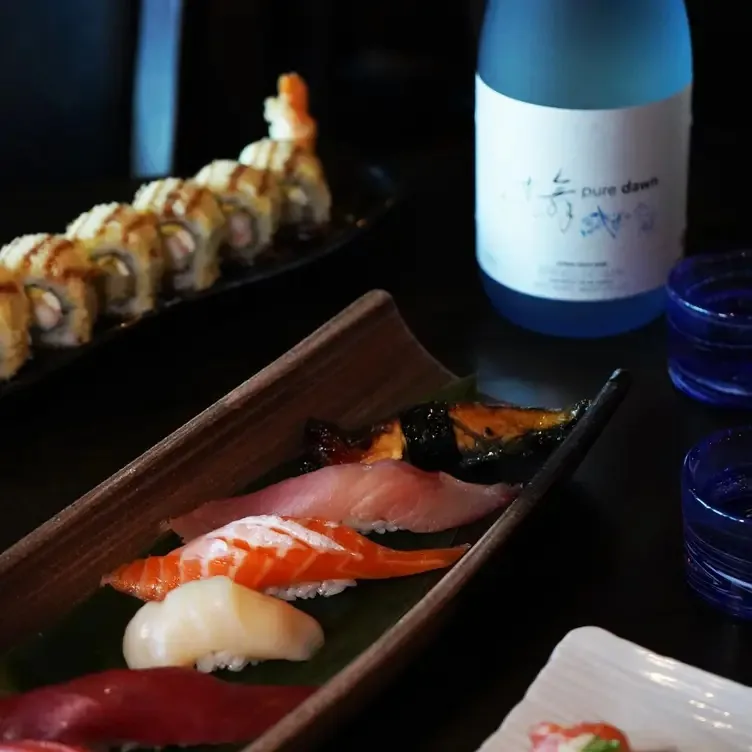
Once the day's fish arrives at our kitchen, it's broken down by our sushi chefs — a process that itself can take hours. A single bluefin tuna might yield 20 different cuts, each suited to a different preparation. The akami (lean) becomes nigiri, the chu-toro (medium-fat) becomes sashimi, the o-toro (fatty belly) is reserved for our omakase guests, and the trim becomes a hand roll filling.
You can taste the result on our sushi and sashimi menu, or experience the full range of our sourcing in our multi-course tasting menu, which features eight pieces of premium nigiri including bluefin o-toro, Hokkaido uni, and A5 wagyu.